
Quick answer
Banjo Loans lends to small and medium businesses, offering unsecured and secured working capital and equipment finance. If your application was declined or stalled, it often comes down to trading history, existing commitments or the equipment itself. Company Cash lends $20,000 to $50,000 against residential or commercial property, or up to 50% of the sale value of a company vehicle with nothing owing, with no bank statements or valuation.
Key points
- Banjo Loans offers unsecured and secured working capital plus equipment finance.
- Equipment deals can stall on the age, type or seller of the gear.
- Working capital and equipment needs often arrive together.
- Property, or a company vehicle with nothing owing, can secure a fast loan.
- Who Banjo Loans is
- SME lender
- Its main products
- Unsecured and secured working capital, equipment finance
- Common snag
- Older or privately sold equipment
- Our alternative
- $20k to $50k against property, or up to 50% of a debt-free company vehicle
For a lot of businesses, the need comes as a pair: a piece of gear that would double your capacity, and the working capital to run the extra jobs while you wait to get paid. If Banjo Loans declined your application for either, or it’s stuck somewhere in the process, here’s how to read it and how to keep the plan alive.
About Banjo Loans
Banjo Loans is a lender to small and medium Australian businesses. It offers working capital, both unsecured and secured, and equipment finance. That mix means a decline could relate to the business’s trading, to the security offered, or to the equipment itself.
Where equipment and working capital applications commonly snag
These are general patterns in SME lending, not an explanation of Banjo Loans’ assessment of you.
The gear is older or bought privately. Many equipment lenders prefer newer assets from dealers. A ten-year-old excavator from a mate’s yard can be harder to finance even if it’s a bargain.
Specialised equipment. The more niche a machine, the harder it is to resell, which can make it less attractive as security.
Thin trading history. A newer business may not have enough months on the books to support the repayment.
Repayments already running. Vehicle loans, another equipment lease and a short-term loan all stack up against capacity.
Credit file marks. A default or a judgment can stop an application early, especially without strong security behind it.
The seasonal trough. Landscaping, pool building and outdoor trades go quiet in winter. Apply in July and the statements look it.
The next 24 hours
- Ask what tripped it. Was it the business, the security or the equipment? Each points to a different fix.
- Check the PPSR. If you’re buying second-hand, search the Personal Property Securities Register to make sure the gear isn’t still financed by someone else. Do this whatever lender you use.
- List what you own outright. A company vehicle with nothing owing, a director’s home, an investment property.
- Don’t spray applications. Multiple lenders in a week means multiple enquiries.
- Hold the seller. A small holding deposit, if you’re comfortable, can buy you a few days.
Securing it on property, or on a vehicle
Company Cash lends $20,000 to $50,000 against residential or commercial property: up to 80% of residential value or 70% of commercial. No valuation. No bank statements, financial statements or tax returns. Bad credit, defaults and ATO debt are considered.
Because the security is the property, the equipment you buy with the money doesn’t have to tick any boxes. Old, specialised, bought at auction or from a private seller: it doesn’t change our assessment. We look at the property, the equity, what the money is for and how it gets repaid.
We can also lend against a company vehicle with nothing owing, up to 50% of its sale value. Our vehicle-secured loans page explains how.
Repayments start with up to three months of prepaid interest, then go weekly. That breathing space lets the new gear start earning before full repayments kick in. After approval, funds can land within as little as a day.
Example: a Canberra landscaper
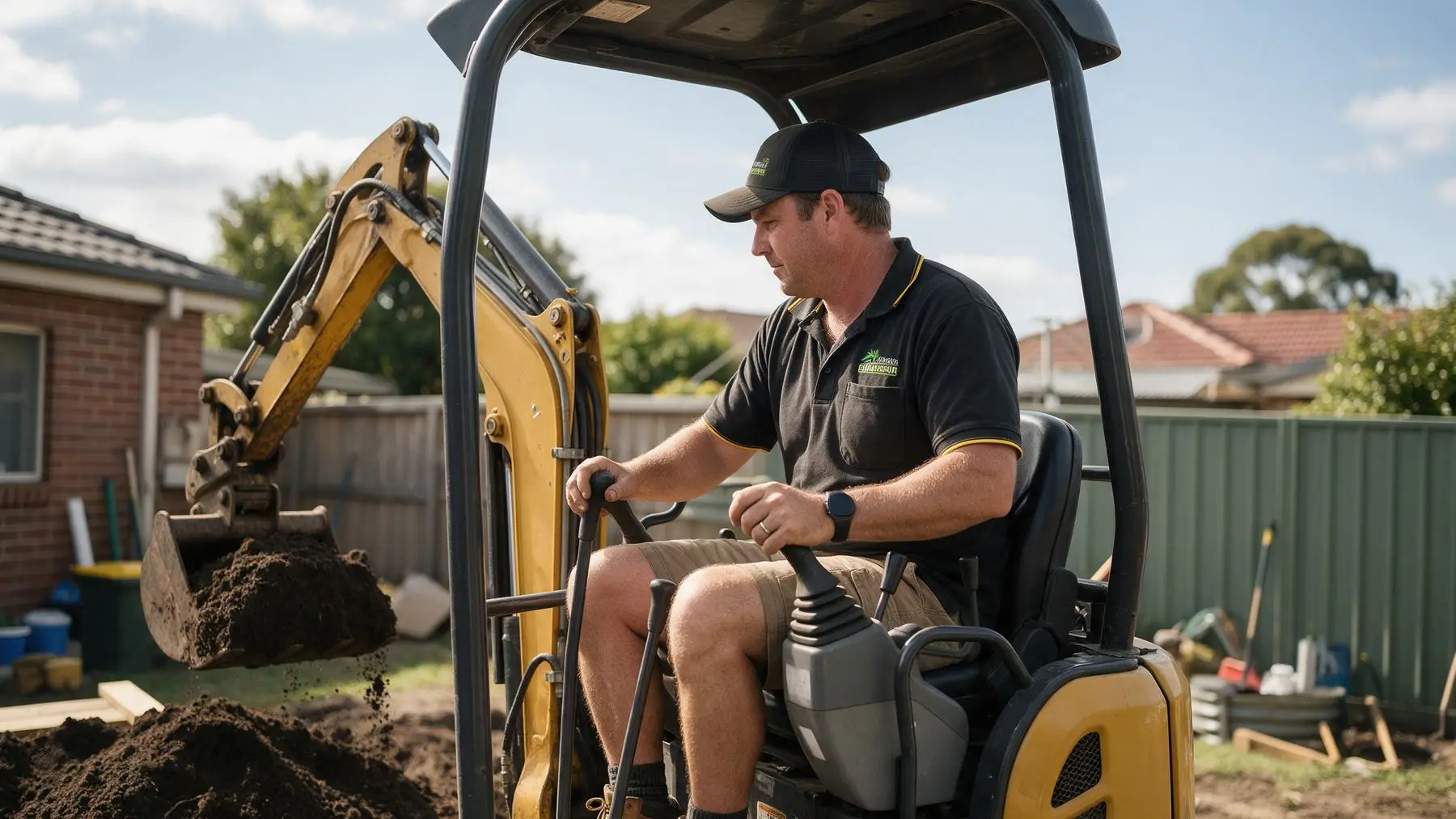
A landscaping company in Canberra finds a five-tonne excavator with a trailer for $38,000 from a retiring operator. It also needs a few weeks of wages to take on two big jobs the machine makes possible. Equipment finance stalls on the private sale and the age of the machine, and the winter statements are thin.
The director owns a home in Gungahlin with solid equity. A $50,000 loan against it buys the excavator and covers wages for the first jobs, which then pay it down. The machine’s age never comes into it. Illustrative figures only.
When equipment finance is still better
For new gear from a dealer, a dedicated equipment loan spread over several years may suit better than a short loan. If your business doesn’t own property and the equipment is the only security, an equipment lender is the natural fit. Our page on loans of $20k to $50k helps you decide which size and shape of loan suits.
Keep the plan moving
If Banjo Loans said no and the gear or the jobs won’t wait, send us the details. The form takes a minute, and no credit check is run at the enquiry stage, so asking costs your file nothing. We’re the lender, so we don’t pass your details to a crowd of other lenders. A real person reads it and calls you. Fill in the property and debt figures accurately and we can answer you properly the first time. See if you qualify →
Frequently asked questions
Why would equipment finance be declined if the gear itself is the security?
Equipment lenders typically look at the business's capacity to repay as well as the asset. The age of the equipment, whether it's bought privately and how specialised it is can also affect whether it's acceptable security. Each lender has its own rules.
Can Company Cash lend against my ute or truck?
If it's owned by the company with nothing owing, yes. We can lend up to 50% of its sale value. Property remains our main security.
Can I use a Company Cash loan to buy second-hand equipment privately?
Yes. Because our loan is secured on property, not on the equipment, the age of the gear or who's selling it doesn't affect the security. It just needs to be a business purpose.
Do I need a long trading history?
With property behind the loan, trading history matters far less. We look at the property, the equity, what the money is for and how you'll repay.